A mattress topper adds a comfort layer to an existing mattress and can influence cushioning, pressure relief, and temperature regulation. As part of bedding, it may help adjust the feel of a sleep surface without replacing the mattress. Materials, thickness, and construction determine how a topper responds to body weight and sleeping position.
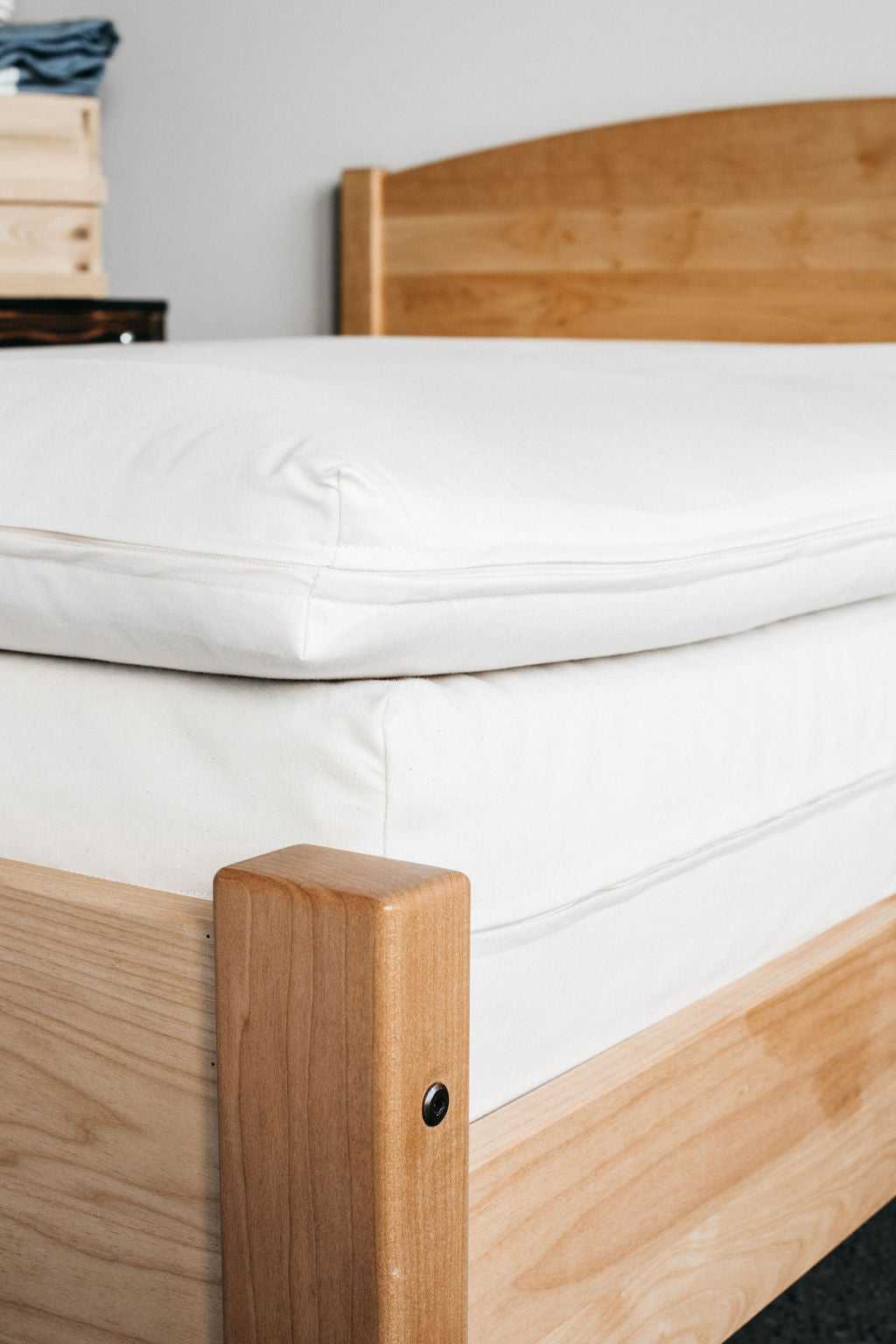
The Natural Wool & Latex Mattress Topper combines wool and latex, materials with distinct functional characteristics. Wool provides a soft, breathable surface and can help manage moisture, while latex offers resilient cushioning that responds to pressure. Together, these layers create a supportive, adaptable feel for people seeking a natural-material option.
Latex is known for buoyant support and a quicker response than many memory foam products, which can make it easier to change sleeping positions. Wool adds a cushioning layer and helps moderate warmth and humidity. These properties may complement bedding such as sheets and pillows, though comfort depends on individual preferences and mattress condition.
When assessing a mattress topper, consider its dimensions, depth, material composition, and care requirements alongside the firmness of the mattress beneath it. A topper can modify surface comfort, but it does not correct structural sagging or replace appropriate mattress support. Natural fibers may also require specific cleaning and airing practices to maintain their qualities.
Natural wool and latex are relevant to people comparing material-focused sleep products, including organic mattresses and memory foam pillows. Each serves a different purpose: toppers alter the feel of a mattress, while pillows support the head and neck. Understanding these distinctions helps clarify how individual bedding components contribute to comfort and sleep setup.
 Bedding